
Enjoy the “Microvacation Recipe” song in the end of the article!
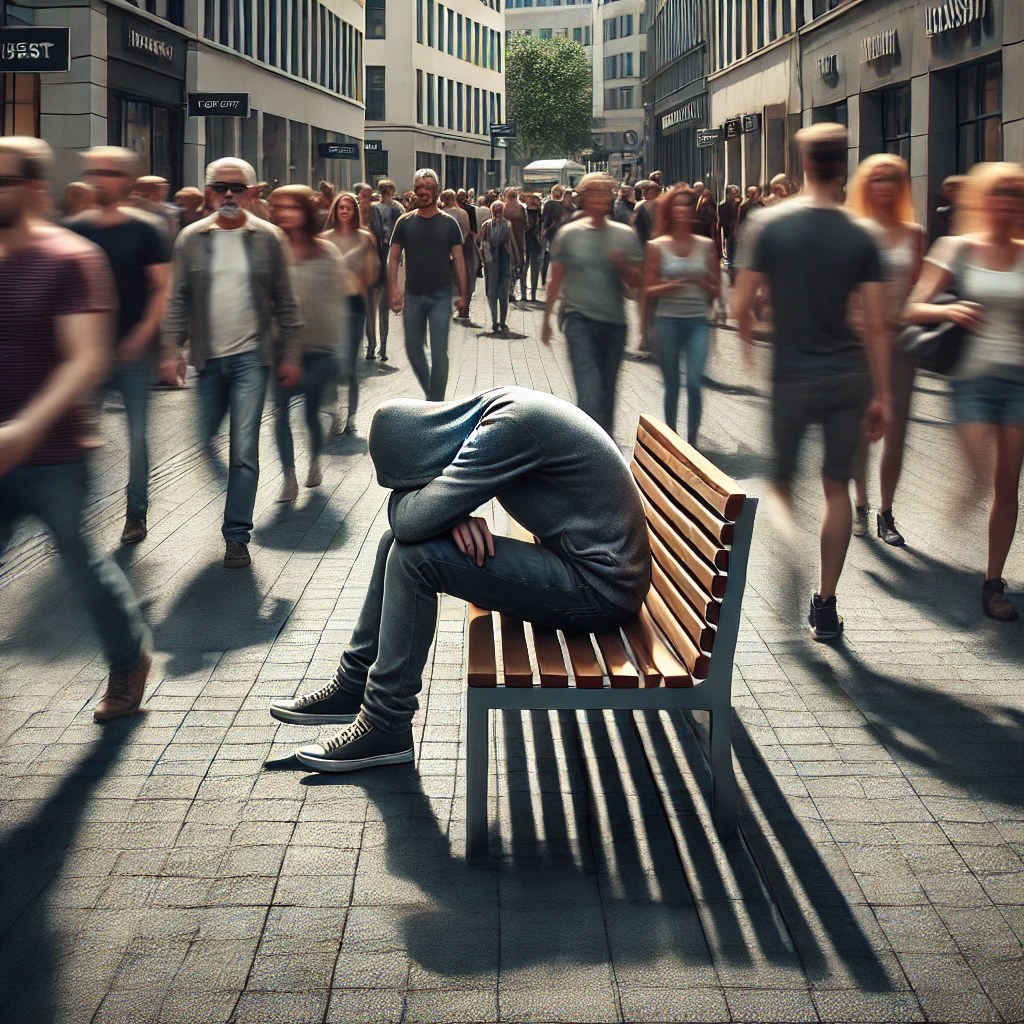
In today’s world, people face a variety of mental, physical, and social challenges that impact their overall well-being. While there is no single solution to these complex issues, microvacations—short, intentional breaks focused on relaxation, renewal, and reconnection—can play a significant role in addressing them. By integrating microvacations into daily life, we can improve our mental health, boost physical wellness, and strengthen social bonds.
“In today’s world, people face a variety of mental, physical, and social challenges that impact their overall well-being.”
Below, we explore five major challenges in each of these three areas. In future blog posts, we will dive deeper into how microvacations can be used to tackle each of these challenges in practical and meaningful ways.
Mental Challenges
Chronic stress & burnout: Long working hours, constant digital connectivity, and high-pressure environments contribute to chronic stress and burnout. This can lead to exhaustion, reduced productivity, and even long-term health issues.
Lack of focus & mental fatigue: Many people struggle with maintaining focus due to constant multitasking and information overload. When the brain is overstimulated for long periods without breaks, it becomes harder to concentrate and retain information.
Creativity blocks & lack of inspiration: Whether in professional or personal life, creativity is essential for problem-solving and innovation. However, rigid routines and repetitive tasks can stifle fresh ideas and make people feel stuck in a creative block.
Increased anxiety & low mood: Modern life comes with many stressors, from financial worries to job insecurity and global uncertainties. Without regular moments of relief, anxiety can become overwhelming and negatively affect your daily life.
Digital overload & reduced mindfulness: The average person spends hours every day staring at screens, leading to reduced mindfulness and disconnection from real-world experiences. This digital overload can make it difficult to enjoy the present moment.
Physical Challenges
Static lifestyle & lack of exercise: With desk jobs, long commutes, and increased screen time, many people are not getting enough movement in their daily routines. This contributes to weight gain, cardiovascular issues, and decreased overall fitness.
Poor sleep quality: High stress, blue light exposure from screens, and irregular schedules often lead to poor sleep. Without proper rest, people experience fatigue, decreased immunity, and difficulty concentrating.
Unhealthy eating habits: A fast-paced lifestyle often leads to reliance on processed foods, irregular meal times, and mindless eating. Poor nutrition can lead to energy crashes, digestive problems, and long-term health concerns.
Tension & physical discomfort: Long periods of sitting and lack of movement contribute to muscle tension, back pain, and stiffness. Many people suffer from headaches, eye strain, or general discomfort due to poor posture and inactivity.
Lack of exposure to nature: Spending time in natural environments is essential for mental and physical health, yet many people live in urban areas with limited green spaces. A lack of nature exposure has been linked to higher stress levels and lower overall well-being.
Social Challenges
Loneliness & social isolation: In an increasingly digital world, in-person social interactions are becoming less frequent. Many people feel disconnected, even in large cities, which can contribute to feelings of loneliness and depression.
Lack of work-life balance: With remote work and constant digital accessibility, the lines between professional and personal life are increasingly blurred. Many people struggle to set boundaries and find time for relaxation, leisure, and meaningful social connections.
Weak community connections: As people move to new cities for work or study, they often lose touch with their communities. A lack of connection with neighbors or local groups can reduce a sense of belonging and support.
Reduced face-to-face communication: With the rise of texting and social media, people are having fewer meaningful face-to-face conversations. This can lead to weaker social skills and difficulty forming deep connections.
Lack of shared activities with friends & family: Busy schedules make it difficult for families and friends to spend quality time together. Without shared activities, relationships can weaken over time, leading to emotional distance.
Looking Ahead: The Role of Microvacations
Each of these challenges affects millions of people worldwide, but the good news is that small, intentional lifestyle changes can make a significant difference. Microvacations provide a simple yet effective way to combat these mental, physical, and social struggles. By integrating short breaks into everyday life, individuals can experience better focus, improved well-being, and stronger connections with those around them.
“By integrating microvacations into daily life, we can improve our mental health, boost physical wellness, and strengthen social bonds.”
In the next blog posts, we will explore how microvacations can actively help solve each of these challenges, offering practical ideas and inspiration for transforming daily life. Stay tuned for actionable tips on how to start your microvacation journey today!

Leave a comment